 The Hydrated Gut
Dry Mouth at Night After 50: Why More Water Isn’t Always the Answer
By Raymond Koekemoer · October 5, 2026
Labels used in this article: Tradition what Ayurveda and traditional Chinese practice teach · My experience what I tried and what happened to me · Research what studies and health bodies report. How I check what I publish
I used to finish two large glasses of water overnight, and I still woke in the small hours with a mouth like paper. It made no sense to me. How could I be drinking that much and still be dry?
The two things are often only loosely connected. A dry mouth at night is frequently about what is happening in the mouth, not about how much water is in the body.
Why the mouth dries out at night
Research Everyone makes less saliva during sleep. That is normal. A few everyday things can turn “a little less” into “uncomfortably dry.”
- Breathing through the mouth. A blocked nose, snoring, or simply sleeping with the mouth open lets air dry the mouth for hours.
- Medicines. A dry mouth is one of the most common side effects there is. Some allergy tablets, blood pressure medicines, antidepressants, and bladder medicines are well-known examples. The more medicines a person takes, the more likely it becomes.
- Dry air. Heating, air conditioning, and fans all dry the room.
- What you had in the evening. Alcohol and caffeine can both leave the mouth drier overnight. So can tobacco.
Notice what is not on that list: drinking too little at 10 PM.
What a big bedtime drink does, and does not do
A large glass of water wets the mouth for a few minutes. Then it is swallowed, and within a few hours most of it reaches the bladder. If you are breathing through your mouth, or a medicine is slowing your saliva, the dryness comes back long before morning. What you have gained is another trip to the bathroom.
My experience That was my pattern for years: dry, and up half the night.
Small things to try
None of these is a treatment. They are simple, low-risk habits, and you can see for yourself which ones make a difference.
- Move your fluids earlier. Drink steadily through the morning and afternoon, so you are not trying to catch up at night.
- Keep a small glass by the bed. If you wake dry, take a few sips and let the water sit in your mouth for a moment before you swallow.
- Look at your evening. Try a few nights without alcohol or late caffeine, and compare.
- Soften the air. A humidifier in the bedroom, or simply a lower heat setting, helps some people.
- Notice your nose. If it is often blocked at night, that is worth mentioning to your doctor or pharmacist.
- Choose a warm, caffeine-free cup in the evening. I have a small cup of rooibos with chamomile after 8 PM. It does not treat a dry mouth. It replaces the late coffee, and it is part of how I wind down.
Give any change a week or so, and keep a simple note of your nights. A pattern is easier to see on paper.
Look after your teeth
Saliva protects the teeth. If your mouth is dry night after night, tell your dentist. They can check for early problems and suggest products made for dry mouths.
When to see a doctor or dentist
Please make an appointment if your dry mouth:
- lasts more than a few weeks, or is getting worse
- started soon after a new medicine
- comes with great thirst and frequent urination
- comes with loud snoring, waking up gasping, or heavy tiredness in the day
- comes with mouth sores, a burning feeling, trouble swallowing, or dry eyes
These can point to conditions that a change of routine will not address, such as diabetes, sleep apnea, or a side effect that your doctor can manage.
Never stop or change a prescribed medicine on your own because of a dry mouth. Ask your doctor or pharmacist. There is often another option.
The short version
- A dry mouth at night is often about breathing, medicines, or dry air, not about a missed glass of water.
- A big drink at bedtime mostly fills the bladder.
- Drink earlier, keep a few sips within reach, and look at your evening habits.
- If it lasts, tell your doctor and your dentist.
I wrote more about the evening routine in The Hydrated Gut Sleep Blueprint.
Sources
The traditions and my own experience are described in the text. These are the published sources behind the research and official figures mentioned above.
- U.S. National Institute of Dental and Craniofacial Research. Dry Mouth. On causes, including medicines, and on protecting the teeth.
Keep going
- Watch Drink Water at the RIGHT TIME: My Secret to a Full Night's Sleep
- Read next Drinking Water Before Bed After 50: Why It Can Keep You Up at Night
- Read next Warm Water or Cold: Does Temperature Matter for Digestion After 50?
- Free The Daily Hydration and Kitchen Planner, a printable day sent to your email
Found this useful? You can buy me a coffee. It’s a thank-you, not a payment for advice, and it helps keep the articles and videos coming.
From the books
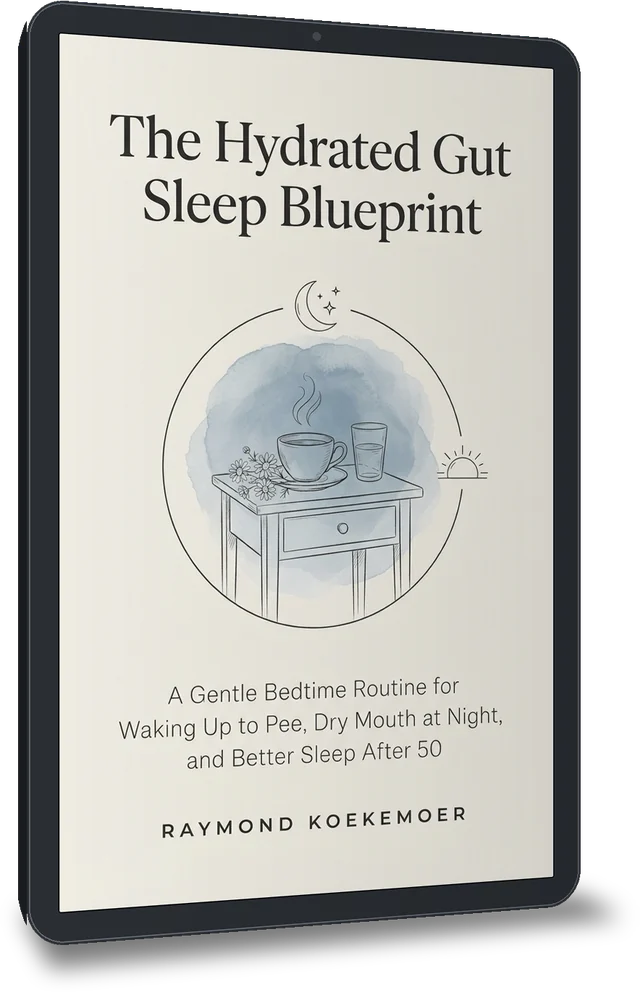
The Hydrated Gut Sleep Blueprint
A Gentle Bedtime Routine for Waking Up to Pee, Dry Mouth at Night, and Better Sleep After 50
Coming soon to Apple Books, Kobo, Google Play Books, and other stores.
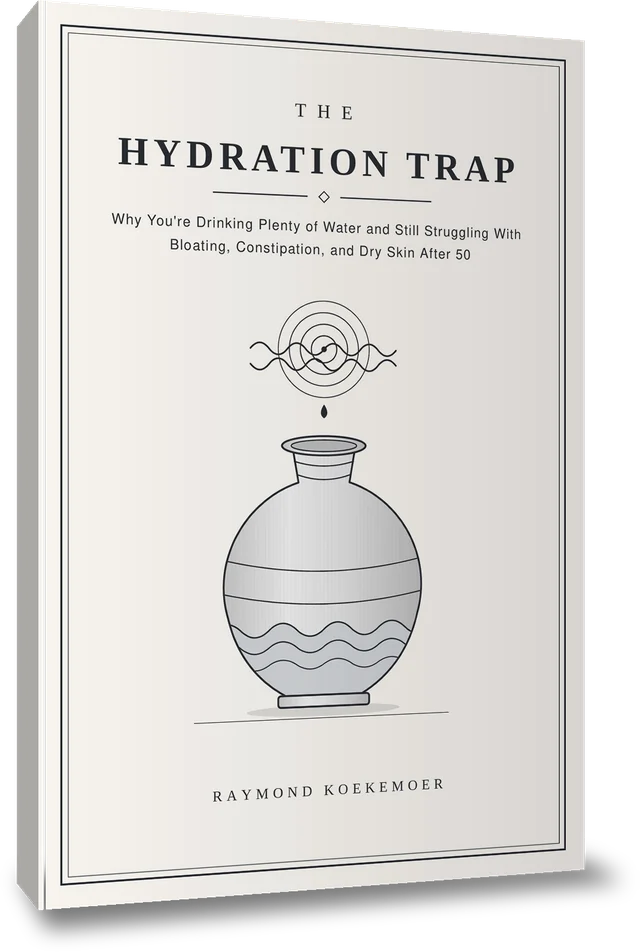
The Hydration Trap
Why You’re Drinking Plenty of Water and Still Struggling With Bloating, Constipation, and Dry Skin After 50
Kindle edition on Amazon Paperback on Amazon
Also available in Kindle Unlimited.