 The Hydrated Gut
The Dry Breakfast Problem: Why a Soft, Warm Morning May Sit Better After 50
By Raymond Koekemoer · October 5, 2026
Labels used in this article: Tradition what Ayurveda and traditional Chinese practice teach · My experience what I tried and what happened to me · Research what studies and health bodies report. How I check what I publish
For a long time, my breakfast was something dry and something to wash it down with. Toast or cereal, and a big glass of water on the side. It looked sensible. It did not feel it. By mid-morning I was often bloated, and things were slow.
What changed my mornings was a small idea. Put the moisture in the food, not beside it.
Water beside the food, or water in it
When you drink a glass of water with dry toast, the two do not stay together for long. The liquid leaves the stomach fairly quickly. The dry food follows more slowly.
A bowl of porridge is different. The grain has already absorbed its liquid in the pot. The water is part of the food, and it travels with it.
This is not a rule against toast. It is a different way to think about breakfast, especially if digestion tends to feel dry and slow.
What a moist breakfast looks like
Nothing complicated.
- Soaked or slow-cooked oats. Left overnight in milk or water, or baked until soft.
- A loose, creamy porridge. Millet, rice, or oats, cooked with plenty of liquid until spoonable.
- Soft-scrambled eggs. Cooked gently, so they stay tender, with a soft vegetable folded through.
- Stewed fruit. Apple or pear, simmered until it can be mashed with a spoon.
Each of these is warm, soft, and carries its own water. A little butter or ghee makes them more satisfying. A warm drink alongside suits them better than an iced one.
A tip from my own kitchen
My experience When I was testing the egg recipe for the cookbook, the thing I got wrong at first was the heat. Scrambled eggs cooked fast and hot go dry and rubbery in seconds. Cooked over low heat, and stirred gently into large soft curds, they stay moist. They must still be cooked through, with no liquid egg left. Soft is fine. Runny is not.
Low heat and a little patience is most of the secret, for eggs and for porridge alike.
Easing in
If your usual breakfast is dry, do not overhaul everything on Monday.
- Swap one breakfast this week for something soft and warm.
- Start with a small portion. Whole grains are rich in fiber. A large bowl of something new can mean gas and bloating for a few days.
- Build up over a week or two, and notice how you feel by mid-morning.
If it suits you, keep going. If it does not, you have lost nothing.
A few cautions
- Diabetes. Oats, grains, fruit, and sweeteners all contain carbohydrate. Fit any change to breakfast into your care plan, with your healthcare team.
- Gluten. Oats are often contaminated with gluten. If you have celiac disease or gluten sensitivity, choose oats labeled “Certified Gluten-Free.”
- Eggs. Cook them until no liquid egg remains. Eggs are also a common allergen.
- Swallowing difficulties. If you need modified textures, check new foods with your clinician.
- Dietary limits. If you have been advised to limit fat, dairy, or particular foods, that advice comes first.
When to see a doctor
A change of breakfast is a comfort measure. It is not a treatment. Please see your doctor about bloating that does not ease, a lasting change in your bowel habits, blood in your stool, black stools, unexplained weight loss, or severe abdominal pain.
The short version
- A drink beside dry food is not the same as food that holds its own moisture.
- Soaked oats, soft porridge, gently cooked eggs, and stewed fruit are easy places to start.
- Low heat keeps food soft.
- Change one breakfast, start small, and see how you feel.
The full recipes, with exact amounts and safety notes, are in The Desert Gut Cookbook.
Sources
The traditions and my own experience are described in the text. These are the published sources behind the research and official figures mentioned above.
- U.S. Food and Drug Administration. What You Need to Know About Egg Safety. On cooking eggs through.
- U.S. National Institute of Diabetes and Digestive and Kidney Diseases. Eating, Diet, and Nutrition for Celiac Disease. On oats and gluten.
Keep going
- Coming up On Friday, November 6 on the YouTube channel: Why a Little Good Fat Belongs on Your Plate After 50
- Read next Drinking Plenty of Water and Still Constipated After 50? What I Learned
- Read next Warm Water or Cold: Does Temperature Matter for Digestion After 50?
- Free The Daily Hydration and Kitchen Planner, a printable day sent to your email
Found this useful? You can buy me a coffee. It’s a thank-you, not a payment for advice, and it helps keep the articles and videos coming.
From the books
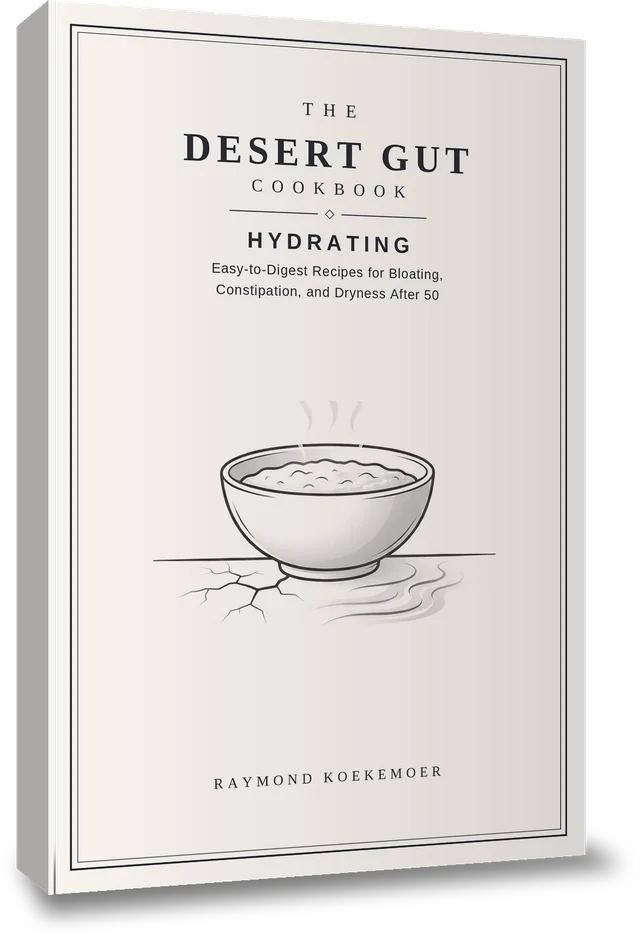
The Desert Gut Cookbook
Hydrating, Easy-to-Digest Recipes for Bloating, Constipation, and Dryness After 50
Kindle edition on Amazon Paperback on Amazon
Also available in Kindle Unlimited.
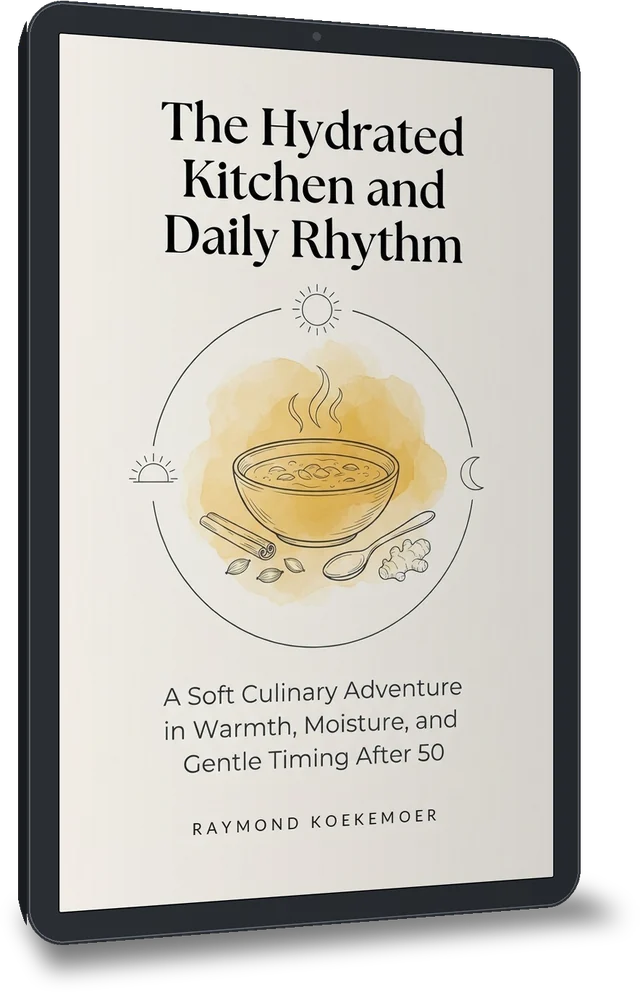
The Hydrated Kitchen and Daily Rhythm
A Soft Culinary Adventure in Warmth, Moisture, and Gentle Timing After 50
Coming soon to Apple Books, Kobo, Google Play Books, and other stores.